
A large telecom operator unified dozens of disparate data sources into a single system on Megaladata. Information processing time dropped from several days to hours: a 3-5 times speedup. More than 300...
How Low-Code is evolving ETL
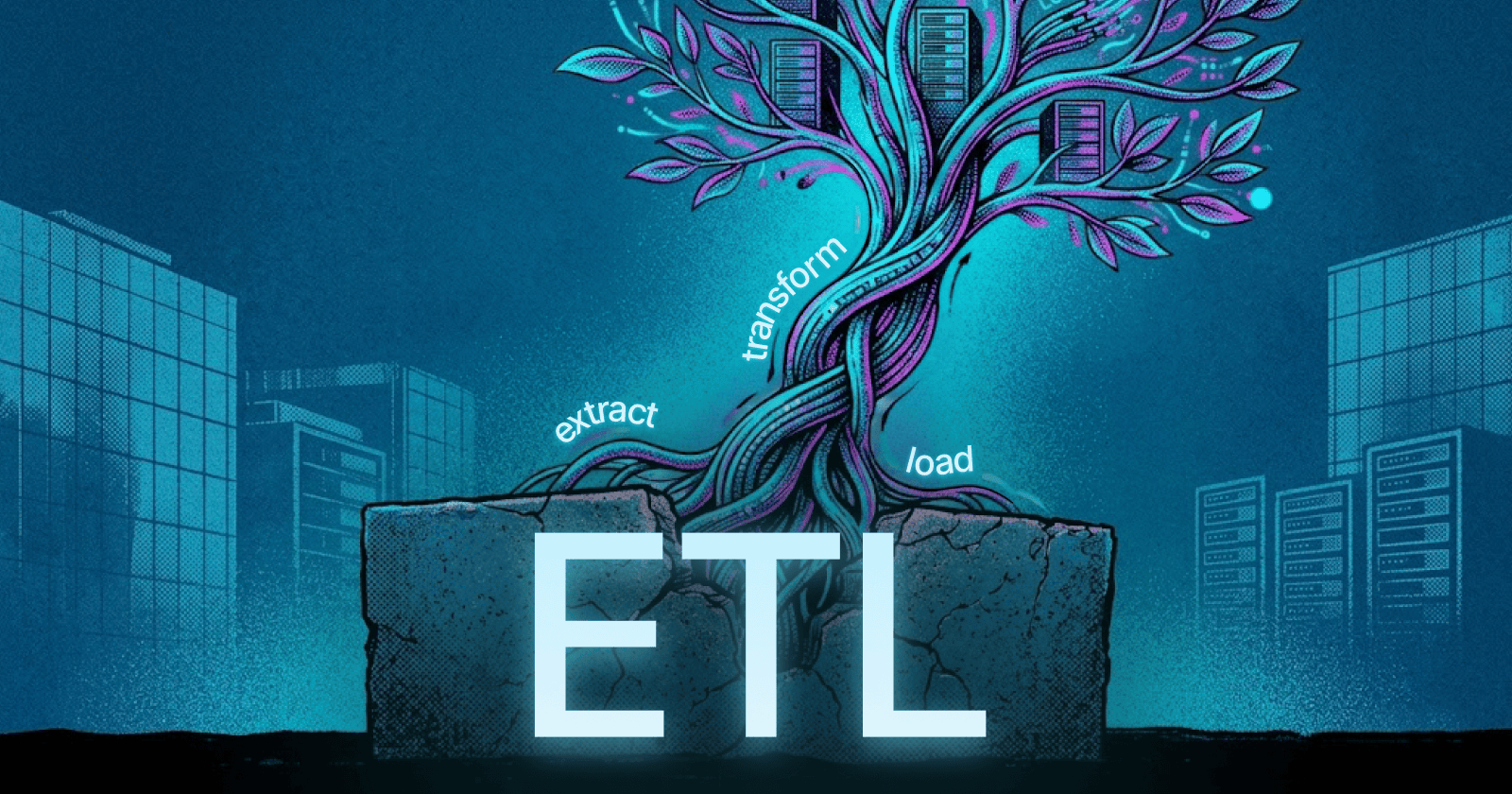
In 2026, you cannot scroll LinkedIn for five minutes without finding a post declaring "ETL is dead, ELT and AI have replaced it." It sounds compelling. It is also wrong.
While the data engineering community celebrates the funeral of ETL, the market tells a very different story. The global ETL tools market is expected to reach $10.24 billion in 2026 and $21.25 billion by 2031 at a 15.72% CAGR. So the real question is not whether ETL is alive, but rather, why an "obsolete" technology keeps attracting double-digit, sometimes triple-digit growth.
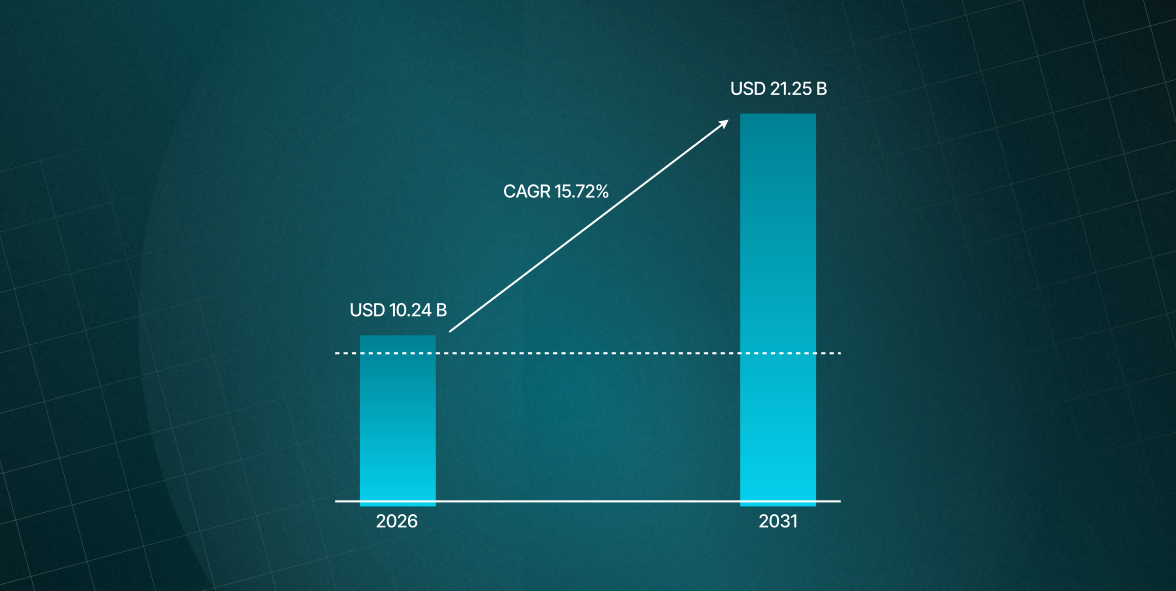
ETL market growth forecast
The real shift: who is adopting ETL
The loudest voices proclaiming the death of ETL often come from environments built around modern cloud warehouses like Snowflake or BigQuery, tools that assume generous, elastic compute budgets. In such systems, pushing raw data into a warehouse and transforming it later (ELT) makes sense.
But that is not where most of the market growth is happening. Small and medium enterprises (SMEs) are driving the fastest growth in the sector, at an 18.7% CAGR. This growth is driven by low-code platforms such as Megaladata, which enable business users to deploy ETL independently.
SMEs do not have 20-person data engineering teams and need a data integration tool that works out of the box. They also need to avoid the overhead of governing transformations. This is especially true after data lands in an uncontrolled location.
This is the part where the "ETL is dead" narrative consistently misses: scale changes the calculus. ELT (Extract-Load-Transform) assumes near-infinite, cheap compute and a team that can write and maintain transformation logic in the warehouse. ETL, especially when delivered through low-code tooling, assumes the opposite, and for most businesses on the planet, that assumption is correct.
Why most ETL projects actually fail
Here is a statistic that should worry anyone dismissing ETL processes as a dead paradigm: 50% of ETL projects fail due to inadequate training and preparation, not due to architectural flaws.
Half of all implementations collapse because of insufficient onboarding and change management, not because the underlying logic of extracting, transforming, and loading data is broken.
Low-Code is quietly rewriting the ETL vs. ELT debate
The debate around "ETL vs. ELT" often hides a simpler truth: most failures are organizational, not technical. Platforms that provide dedicated solution engineers and structured onboarding programs see dramatically better success rates. If there is one trend actually reshaping data integration in 2026, it is not the shift to ELT. It is the rise of low-code platforms.
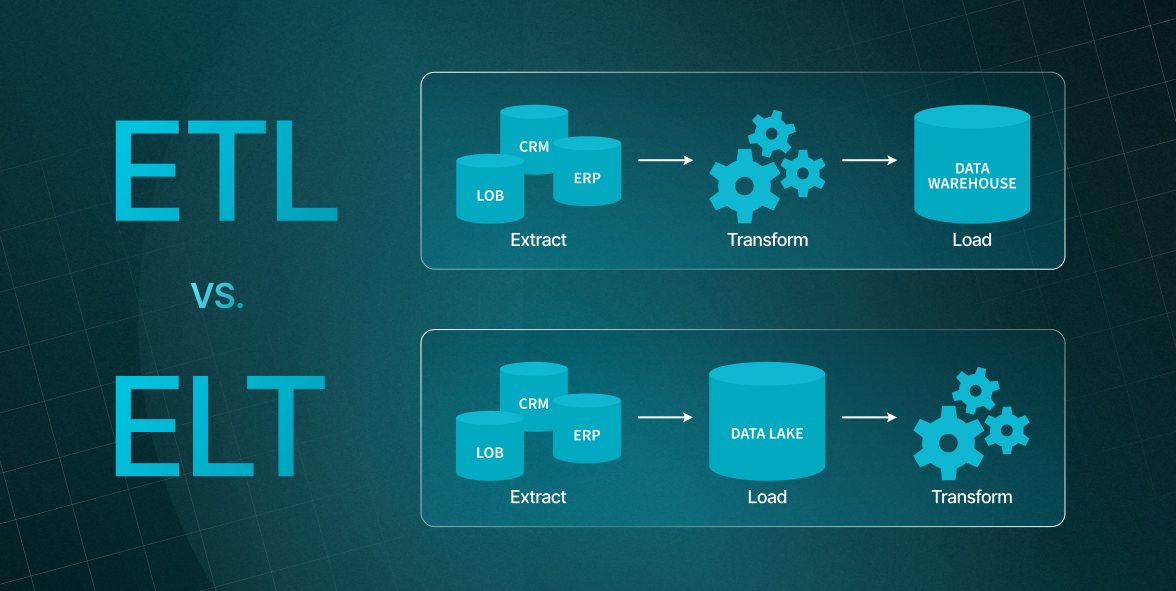
The differences between ETL and ELT
Low-code tools are driving a 48% increase in self-service analytics adoption. Business users, not just engineers, can now build data pipelines using drag-and-drop tools. It includes 220+ pre-built transformations. This democratization is the opposite of what the "AI will replace ETL" narrative predicts: instead of removing humans from the pipeline, low-code ETL puts pipeline-building directly in the hands of the people who understand the business context best.
The numbers back this up further: visual, low-code environments achieve a 70% faster deployment time compared to code-first approaches. In practical terms, this means shipping a pipeline in days instead of weeks, while keeping the transformation logic governed, tested, and validated before the data ever reaches your analytics layer.
Why ETL still wins on data quality and trust
There is a deeper reason ETL has not disappeared, and it connects directly to a theme we have explored before on data provenance and trust in AI-driven decision-making: when transformations happen before loading, you can test, validate, and clean data at the source, rather than discovering corrupted or inconsistent data after it has already influenced a downstream model or an autonomous AI agent.
In a year where agentic AI is acting on data with increasing autonomy, the cost of feeding flawed, untested data into a workflow is no longer a minor inconvenience; 42% of organizations already cite data quality and access issues as a primary barrier to agentic AI deployment, and 52% of companies cite data quality as the main reason blocking agentic AI deployment.
ETL, done properly, directly addresses the failure point most agentic AI programs are running into right now.
ETL is not competing with ELT.
The honest conclusion is not that ETL beats ELT, or vice versa, but that both coexist, and the market growth numbers prove organizations know it. The real failure point is not choosing the wrong paradigm; it is choosing a complex, code-heavy implementation that nobody on the team can maintain, then blaming the architecture when it inevitably breaks.
A low-code approach to ETL removes that failure point. It keeps the rigor of pre-load transformation and data validation, while cutting deployment time and opening pipeline-building to business teams, not just engineers.
The bottom line.
Wrapping up this piece, one thing is clear:
If ETL were really dead, a $10.24 billion market would not be on track to more than double by 2031. SMEs would not be adopting it faster than any other segment. And 50% of "failed" ETL projects would be failing for architectural reasons, not for lack of training.
“ETL is not dead, on the contrary, it is no longer reserved for specialists, and that shift is why its market is on the rise, once again.”
In 2026, declaring something "dead" if it isn't AI-native has become a trend on its own. The risk is organizing a funeral for something still perfectly capable that doesn't need a replacement, just adjustments, better tooling, and easier onboarding. Which is exactly what the data shows is already happening.
See also

Megaladata as an Automation Tool: Case Study
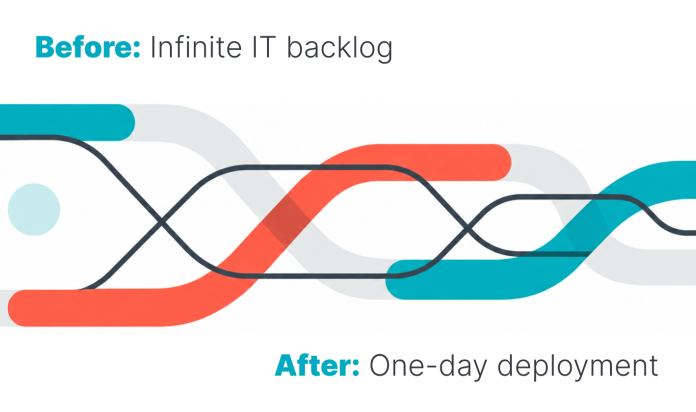
How an E-commerce Retailer Reformed Replenishment in Three Months: Case Study
Replenishment planning for a large retailer means constant change: new seasons, new vendors, new regions. Every update used to mean a ticket and a wait. Here is what happened when they added Megaladata....

Semantic Layer
Large volumes of complex information force analysts to focus more on data management tasks than on data analysis. A specialized mechanism named "semantic layer" solves this problem. It provides a business...
About Megaladata
Megaladata is a low code platform for advanced analytics
A solution for a wide range of business problems that require processing large volumes of data, implementing complex logic, and applying machine learning methods.
GET STARTED!
It's free